While the term "traditional funeral" is widely used, many people are unsure of what it actually includes. Understanding the components of a traditional service can help families plan with confidence and ensure that every element reflects their loved one's life and legacy.
The Visitation or Viewing
Most traditional funerals begin with a visitation, sometimes called a viewing or wake. This gathering typically takes place the evening before the funeral or in the hours leading up to the service. It provides an opportunity for family, friends, and members of the community to pay their respects, share memories, and offer condolences in a more intimate setting.
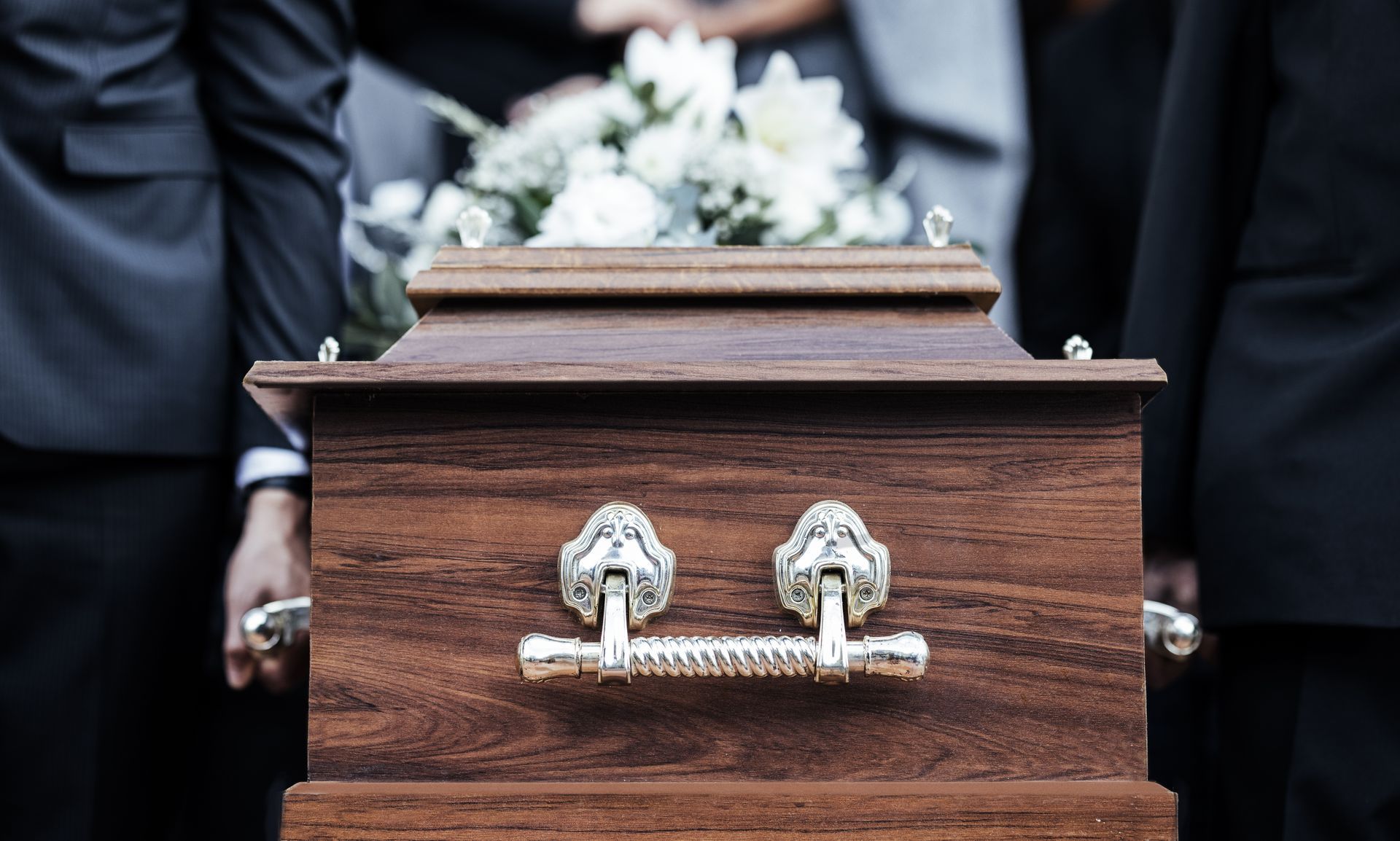
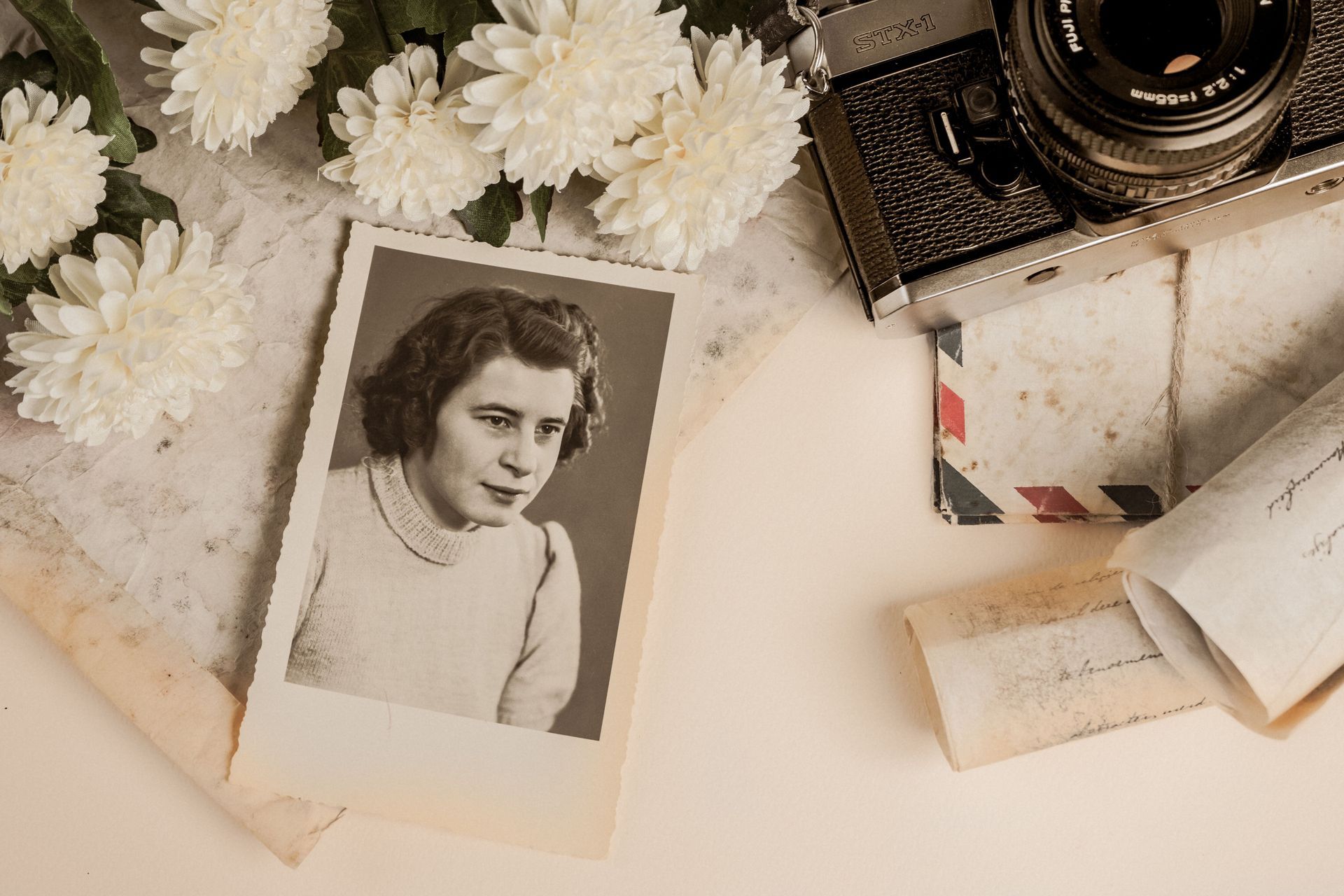
During the visitation, the deceased is often present in an open or closed casket, depending on the family's wishes. Photos, mementos, and floral arrangements are usually displayed to help create a personal atmosphere. For many families, the visitation is a powerful first step in the grieving process, allowing them to receive emotional support from their wider community.
The Funeral Ceremony
The funeral ceremony itself is the central component of a traditional service. It is typically held at a funeral home, place of worship, or another meaningful location. The ceremony brings together loved ones to celebrate the life of the deceased, share in collective mourning, and find comfort in shared faith, tradition, or remembrance.
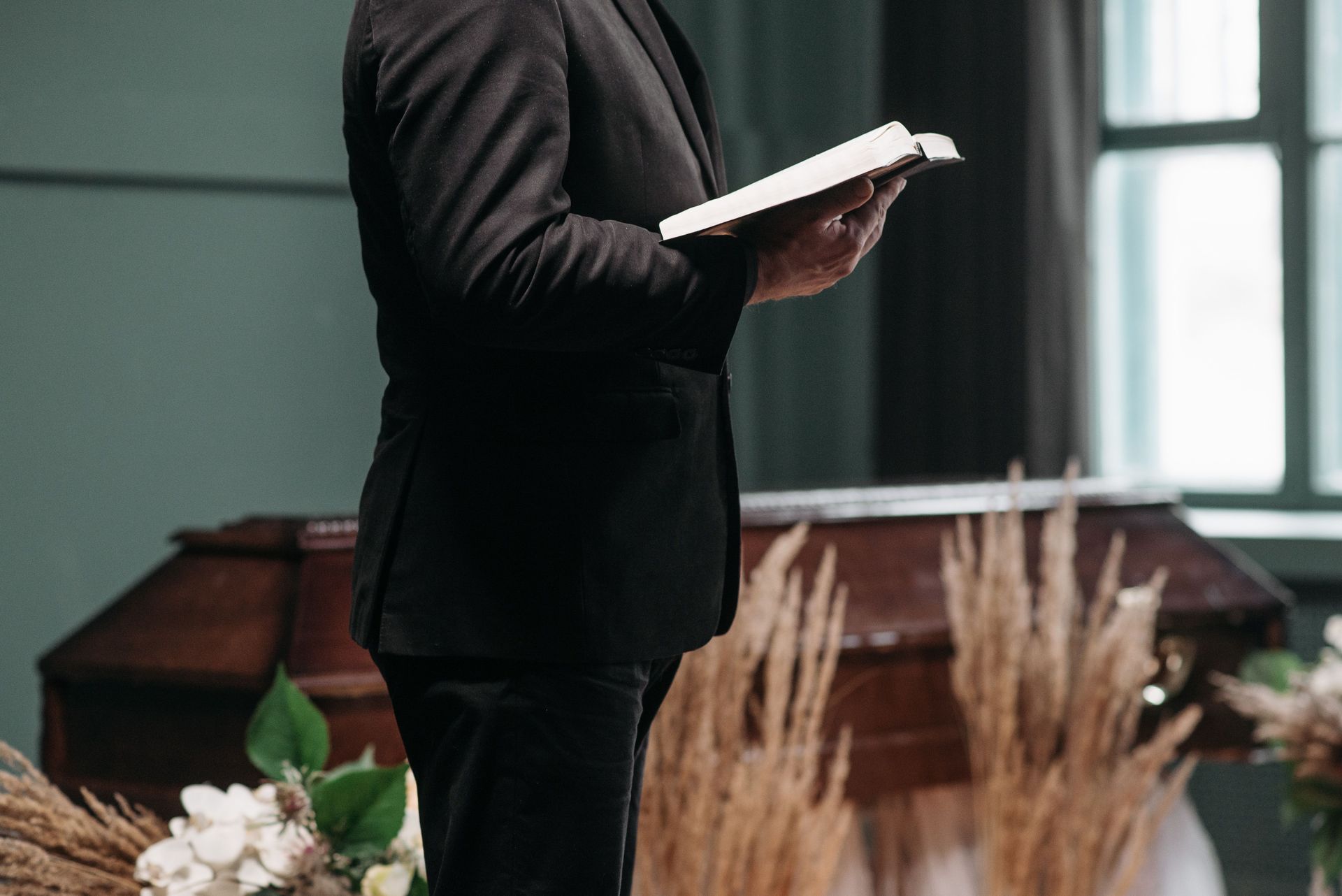
A traditional funeral ceremony usually includes several key elements. An officiant, often a clergy member or celebrant, leads the service and delivers reflections on the life of the deceased. Eulogies from family members or close friends offer personal stories and memories. Music plays an important role, whether through hymns, instrumental pieces, or songs that held special meaning. Readings from scripture, poetry, or literature can also provide comfort and reflection.
Families who want to make the service more personal often incorporate elements that reflect their loved one's unique personality. From displaying meaningful objects to playing favorite songs, these personal touches transform a service into a true celebration of life.
The Procession and Committal
Following the funeral ceremony, a procession typically transports the deceased and attending family members to the burial site. The funeral procession is a long-standing tradition that allows the community to accompany the deceased on their final journey. In Utah, these processions are often led by a funeral coach with mourners following behind.
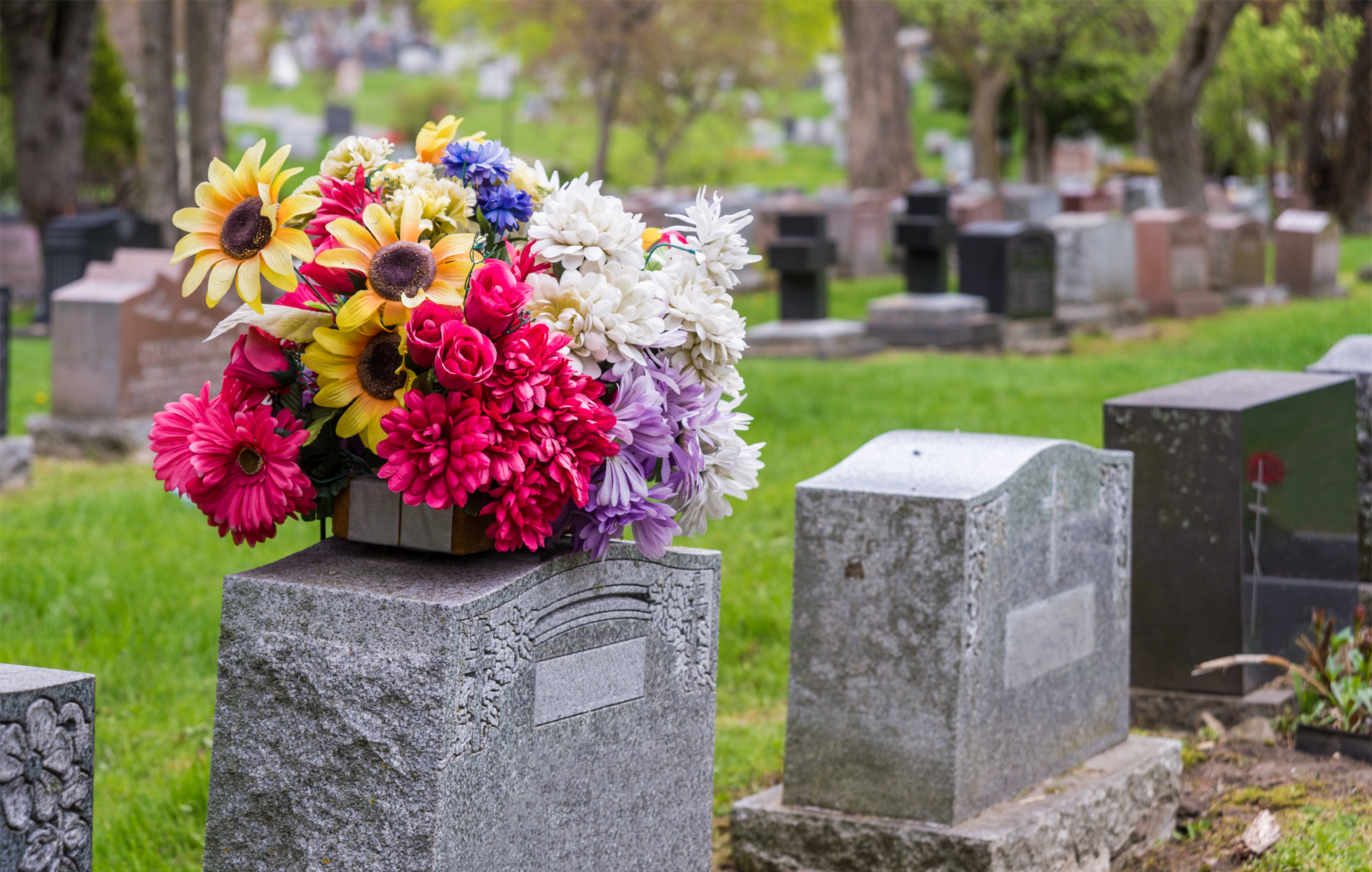
At the burial site, a committal service or graveside ceremony takes place. This brief but deeply meaningful gathering involves final words, prayers, and the lowering of the casket. Many families
choose burial services that include a graveside ceremony as a way to provide closure and honor traditions that have been passed down through generations. The committal often represents a powerful moment of farewell, allowing loved ones to say their final goodbyes in a quiet, sacred setting.
The Reception or Gathering
After the burial, many families host a reception or gathering. This part of the service is typically more relaxed and provides an opportunity for guests to share food, stories, and support one another. Receptions may be held at the funeral home, a place of worship, a family residence, or a restaurant.
The reception is an important part of the grieving process. It allows mourners to shift from formal mourning to communal remembrance, sharing laughter and tears in equal measure. These gatherings often become moments where families learn new stories about their loved one and find unexpected comfort in the presence of friends and extended family.
Additional Services and Support
Beyond the core elements, traditional funerals often include additional services that support both the deceased and their family. These can include the preparation and care of the deceased, the coordination of all logistical details, the printing of memorial programs and prayer cards, and the placement of obituaries in local publications.
Funeral homes also handle important administrative tasks such as filing death certificates and coordinating with cemeteries, clergy, and other vendors. This comprehensive support allows families to focus on grieving and being present with one another rather than worrying about logistics.
For those navigating the difficult emotions that follow a loss, access
to grief resources can be invaluable. Many funeral homes provide ongoing support through grief literature, counseling referrals, and community programs that help families heal over time.
Planning Ahead for Peace of Mind
While many families arrange traditional funerals during a time of loss, an increasing number are choosing to plan ahead. Pre-planning allows individuals to express their preferences for every aspect of their service, from music selections to readings to specific traditions they want included.
By
planning ahead, you can spare your family from having to make difficult decisions during a time of grief. Pre-planning also allows you to lock in costs at today's prices and ensures that your service reflects your values, beliefs, and personality.
Honoring Your Loved One with Dignity
A traditional funeral service is more than a sequence of events. It is a meaningful framework that helps families honor their loved one, find community in their grief, and begin the journey toward healing. Each element, from the visitation to the reception, plays a role in providing comfort and closure.
If you have questions about planning a traditional service or want to learn more about how we can support your family, our caring team is here to help.
Reach out to us for compassionate guidance,
or visit Walker Sanderson Funeral Home & Crematory to explore the full range of services we offer to families throughout Utah.