
What Is a Memorial Service and How Is It Different From a Funeral?
When families begin planning to honor a loved one, they often encounter two terms that seem similar but carry distinct meanings: funeral and memorial service. While both are meaningful gatherings that celebrate a life and offer comfort to those left behind, they differ in important ways. Understanding these differences can help families choose the type of service that best reflects their loved one's wishes and their family's needs during a time of loss.
Defining a Memorial Service
A memorial service is a gathering held to honor and remember someone who has passed away, typically without the body of the deceased present. Whether the person has been cremated, buried privately beforehand, or otherwise laid to rest, the memorial service focuses on celebrating their life through stories, music, prayers, and shared reflection.
Memorial services offer families remarkable flexibility. They can be held days, weeks, or even months after a death, giving loved ones time to travel, plan meaningful details, and gather when they are emotionally ready. This flexibility makes memorial services especially valuable for families spread across different states or those who need time to create a truly personal tribute.
Defining a Traditional Funeral
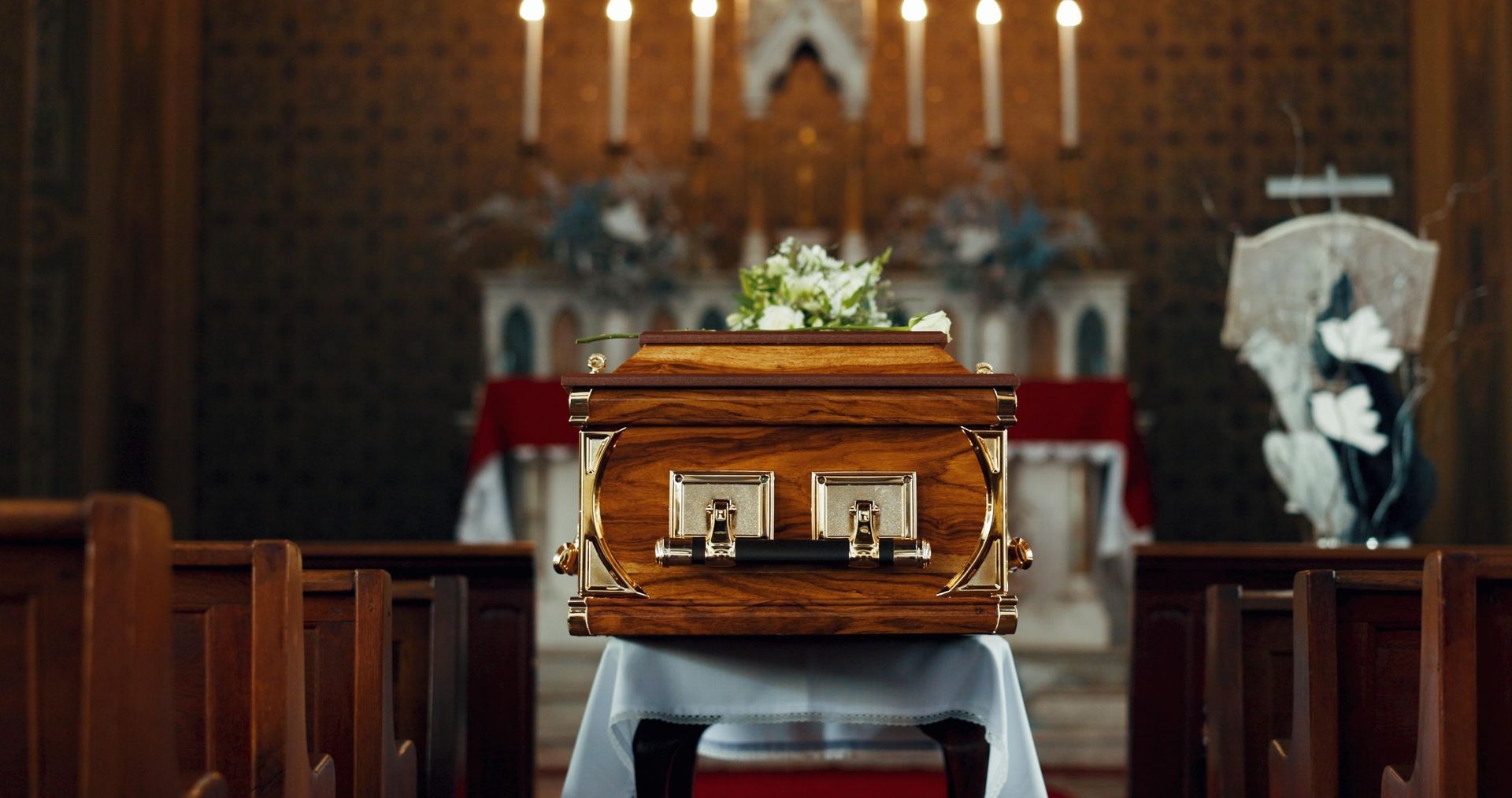
A traditional funeral, by contrast, is typically held shortly after a death and includes the presence of the deceased, usually in a casket. The service often takes place at a funeral home, church, or other place of worship and is followed by a graveside committal or immediate transportation for cremation.
Funerals tend to follow more established traditions and often include specific religious or cultural rituals that families find deeply meaningful. The presence of the body creates opportunities for viewings, visitations, and the tangible act of saying goodbye that many people find essential to their grieving process.
Key Differences Between the Two
While funerals and memorial services share the common purpose of honoring a life, several important differences set them apart.
Timing
Funerals are usually held within a week of the death due to considerations involving the presence of the body. Memorial services can be scheduled at any point after death, allowing families to gather when travel, work schedules, and emotional readiness align.
Presence of the Deceased
The most notable difference is whether the body is present. Traditional funerals include the deceased, often in an open or closed casket. Memorial services occur after the body has been cremated or buried, meaning attendees focus on remembrance rather than viewing.
Location
Funerals typically take place at funeral homes, churches, or graveside sites. Memorial services can be held almost anywhere that held meaning to the deceased, from parks and gardens to community centers, beaches, or family homes.
Structure and Tone
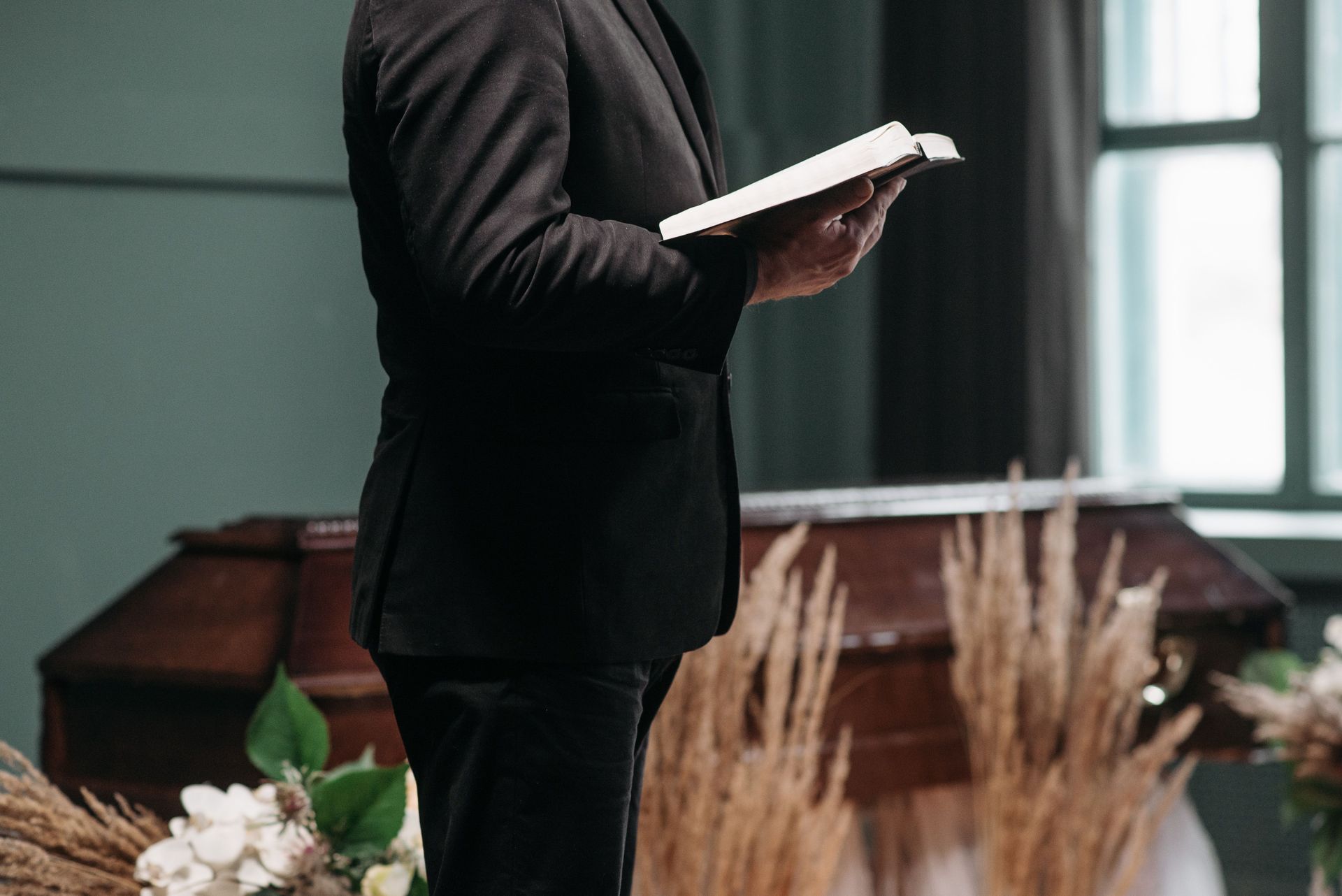
Funerals often follow more traditional formats with established rituals, prayers, and readings. Memorial services tend to be more flexible in structure, allowing families to design a service that truly reflects their loved one's personality, interests, and values.
Why Some Families Choose a Memorial Service
Families choose memorial services for many reasons. For those who have chosen cremation, a memorial service allows time to plan a meaningful gathering without the pressure of scheduling around the presence of the body. Many families who choose cremation services find that a memorial service held weeks after the passing gives them the opportunity to create a truly personal and unhurried tribute.
Memorial services also work well for families with members scattered across the country or world. By selecting a date that gives everyone time to travel, families can ensure that no one is left out of the opportunity to say goodbye. Some families even choose to hold multiple memorial services in different locations, allowing loved ones near and far to participate in a way that works for them.
Financial considerations also lead some families to choose memorial services. Without the need for embalming, a casket, or immediate arrangements, memorial services can often be more affordable while still providing a deeply meaningful farewell.
Why Some Families Choose a Traditional Funeral
Traditional funerals continue to hold deep meaning for many families, particularly those who value the closure that comes with viewing their loved one one final time. The presence of the body creates a sense of finality and offers mourners the opportunity for a direct farewell that some find essential to the grieving process.
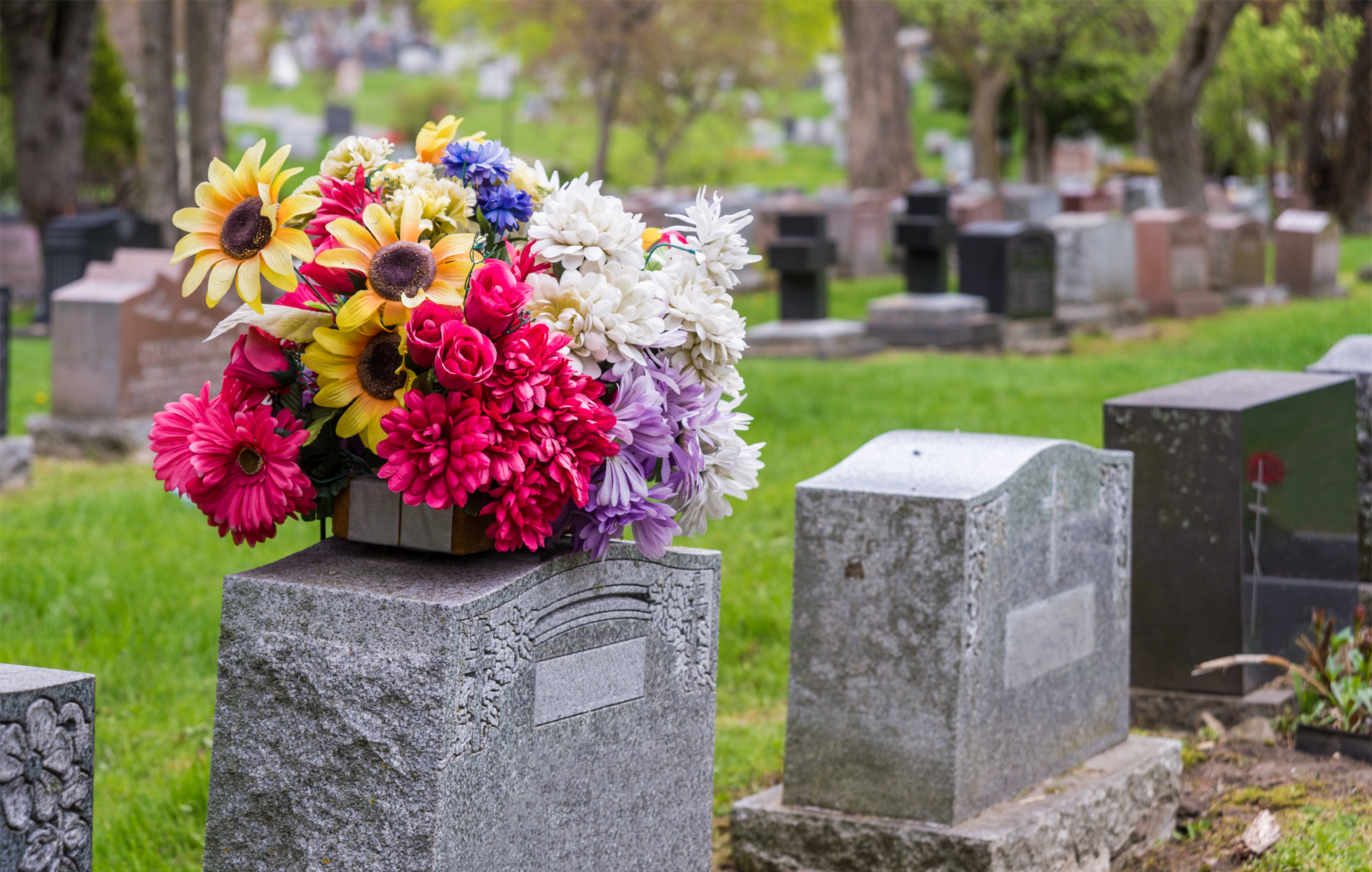
Religious and cultural traditions also play a significant role. Many faiths include specific rituals surrounding funeral services that families feel called to honor. For these families, burial services with a traditional funeral align with long-held beliefs and provide a meaningful continuation of family and community customs.
The structure of a traditional funeral can also be comforting during a chaotic time. The established format offers a clear framework for what will happen, giving grieving families one less thing to plan when they are emotionally overwhelmed.
Blending Elements of Both
Many families today are choosing to blend elements of funerals and memorial services to create a farewell that best suits their needs. A family might hold a small private viewing followed by a public memorial service weeks later, or arrange a funeral with cremation to follow, then scatter ashes at a separate memorial gathering months down the road.
Working with a funeral home that prioritizes personalization allows families to design a farewell that honors their loved one in a way no template can capture. From incorporating favorite music and meaningful readings to displaying cherished mementos and creating custom tribute videos, the possibilities for creating a service that truly reflects a life are nearly endless.
Choosing What Feels Right for Your Family
There is no universally correct choice between a funeral and a memorial service. The right decision depends on your loved one's wishes, your family's traditions and beliefs, practical considerations like travel and timing, and what will bring your family the most comfort during a difficult time.
Take time to discuss options with close family members, and do not feel pressured to make decisions before you are ready. Whether you choose a traditional funeral, a memorial service, or a combination of both, what matters most is that the service honors the person you loved and offers meaningful comfort to those who are grieving.
Compassionate Guidance Every Step of the Way
Choosing between a funeral and a memorial service is a deeply personal decision, and you do not have to make it alone. Our caring team is here to help you explore your options and design a service that honors your loved one with dignity and meaning.
If you would like to learn more about the differences between funerals and memorial services or begin planning a farewell for someone you love, we are here to help. Reach out to our team for compassionate guidance, or visit Walker Sanderson Funeral Home & Crematory to discover how we support Utah families in creating meaningful tributes that reflect the lives of those they love.