Direct cremation is cremation without a viewing, visitation, or funeral service beforehand. The body is cared for and cremated once required permits and paperwork are complete, and the cremated remains are returned to the family. Many families later hold a separate memorial service, celebration of life, or graveside gathering whenever it works best for them.
---
If you're reading this because someone you love has just died, we're glad you found it, and we're sorry for your loss. If you're planning ahead for yourself or a parent, that kind of thoughtfulness is a gift to your family. Either way, it's normal to have questions about what direct cremation actually includes.
Understanding your options now can bring real peace of mind later.
Walker Sanderson Funeral Home & Crematory has been part of Utah County families' lives since Lynn R. Walker began this legacy in 1952. This article will help you know what comes next.
What Direct Cremation Actually Includes
Direct cremation is the simplest form of cremation available. There's no embalming, no public viewing, and no funeral service held before the cremation takes place. Your loved one is brought into our care, and the cremation happens once the legal paperwork and permits are in order, usually within one to two weeks of death.
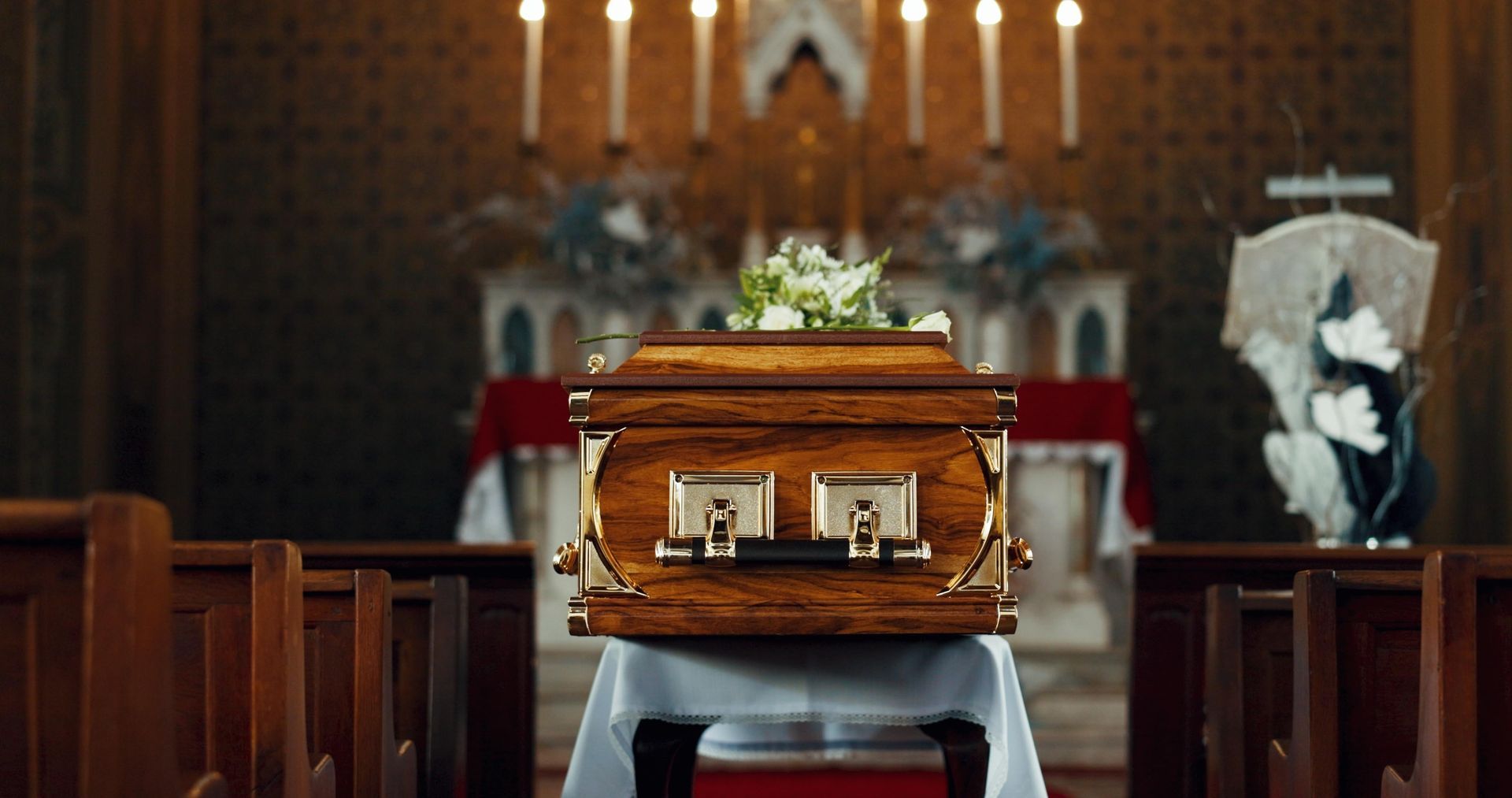
Federal law doesn't require a casket for cremation. Instead, families can use a simple, rigid alternative container, and the cremated remains are returned in a temporary or family-selected urn. Under the FTC's Funeral Rule, funeral providers must tell you that alternative containers are available and cannot require you to buy a casket for a direct cremation. You can also explore our cremation services
to compare it against other cremation options.
Who Chooses Direct Cremation
Families choose direct cremation for many reasons. Some simply prefer simplicity over a large service. Others live far from extended family and want to gather everyone together later for a memorial, once travel is easier to arrange. Some are honoring a loved one's own wishes for something unadorned and private.
In our experience, direct cremation works well for families who aren't ready to plan a full service right away but still want their loved one cared for respectfully and without delay. We help families throughout Orem, Provo, and nearby communities, including Pleasant Grove cremation services, make this choice with confidence. It's also a common choice for pre-planning, since it lets you make your wishes clear now and spare your family a difficult decision later.
Your Loved One Never Leaves Our Care
We own and operate our own crematory on-site, so your loved one stays with us from the moment they're brought into our care until the cremation is complete. There's no transfer to a third-party crematory and no gap in the chain of custody.
Families who wish to be present for part of the process are welcome to use our family observation room for a quiet, private farewell before cremation begins. It's one more way we try to keep every family's trust throughout a process that can otherwise feel out of their hands.
You Can Still Hold a Memorial, Whenever You're Ready
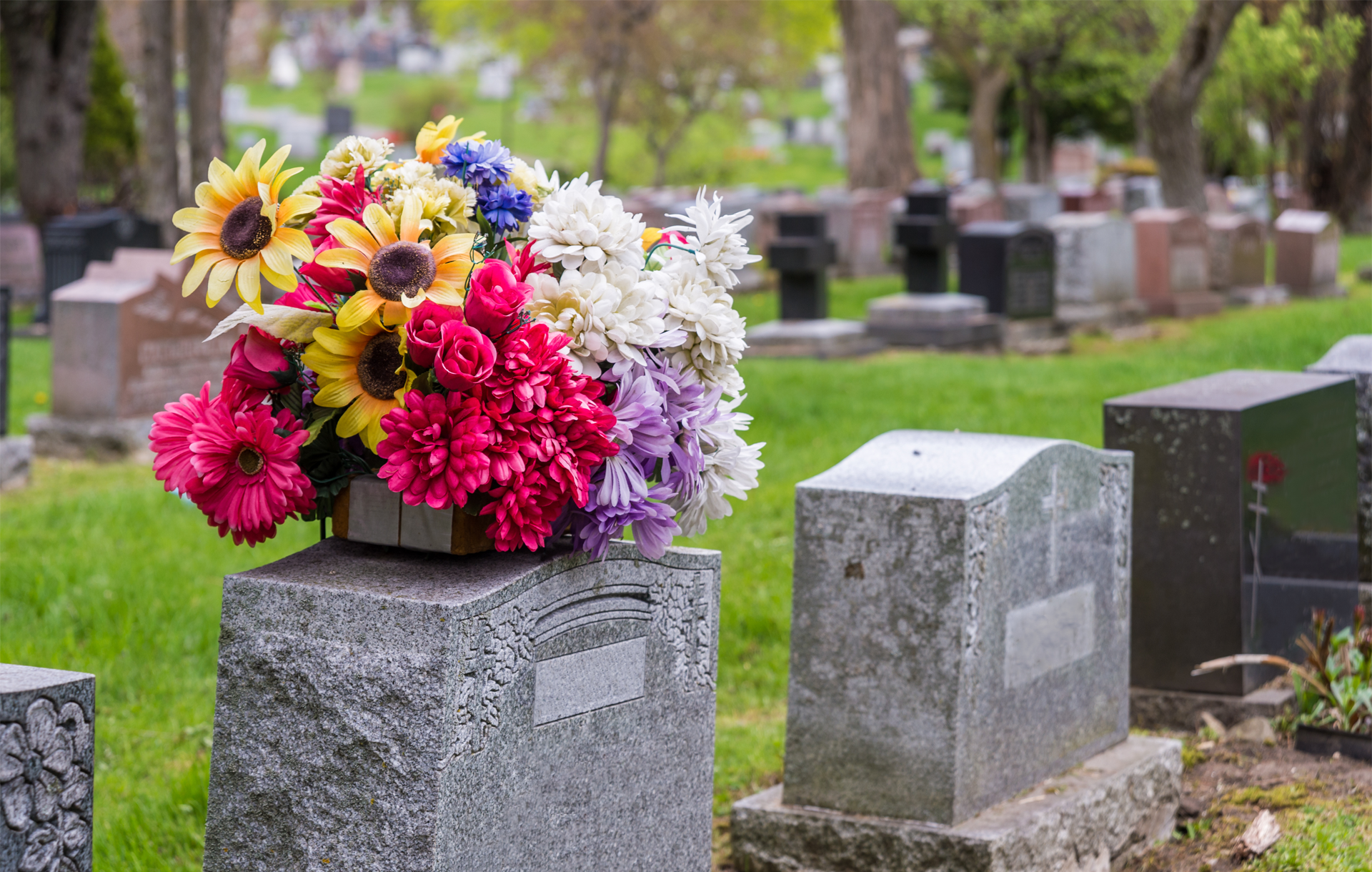
Choosing direct cremation doesn't mean skipping a service altogether. Many families choose direct cremation specifically because it separates two decisions: what happens to the body, and how the family gathers to remember a life. You can hold a memorial service, a celebration of life, or a graveside service for the cremated remains days, weeks, or even months later, once family can travel or you've had time to plan something meaningful.
If you're not sure what kind of gathering fits your family, our guide on the difference between a memorial service versus a funeral
walks through the options.
How Direct Cremation Works in Utah County
Utah law has a few requirements that shape the timeline. Here's what typically happens:
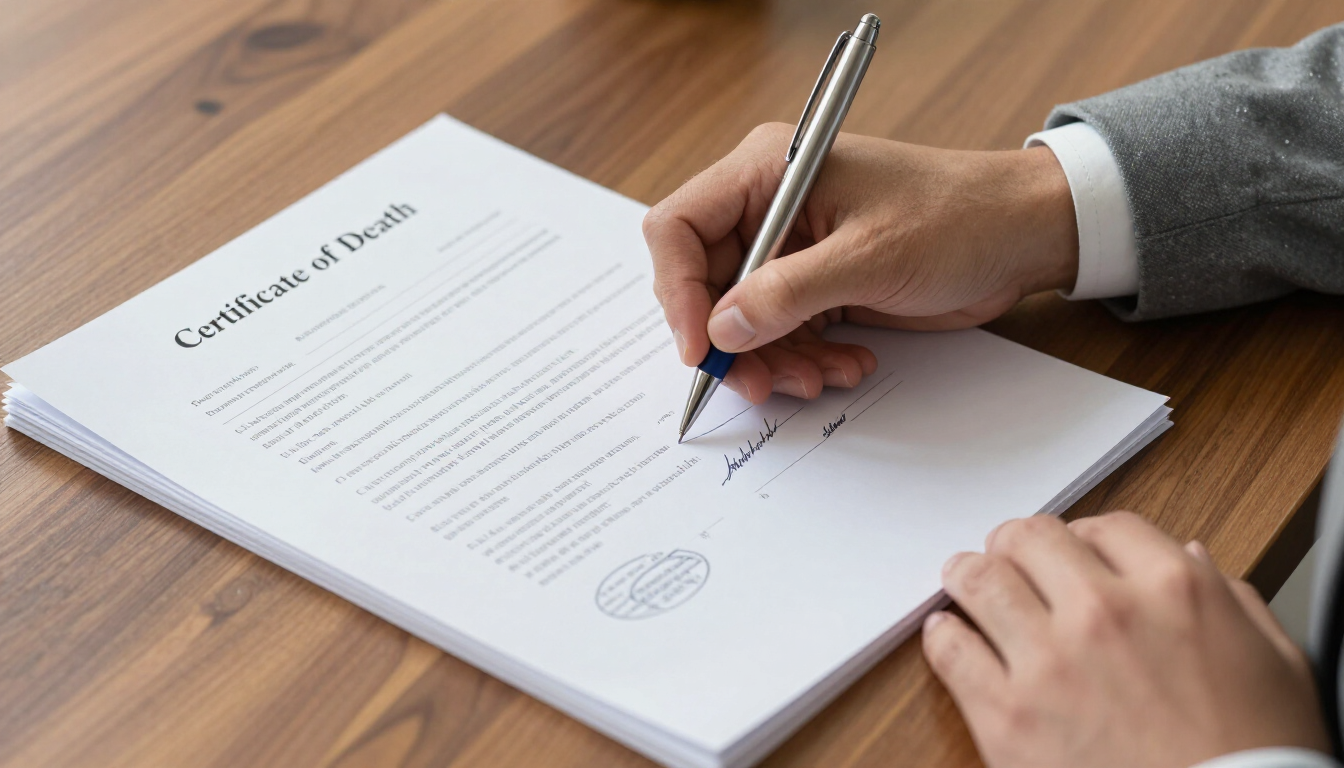
1. Your loved one is brought into our care, and we begin gathering the information needed for the death certificate.
2. A physician, or the Utah Office of the Medical Examiner, certifies the cause of death.
3. Utah law requires the death certificate to be filed within five days of death, and a permit from the medical examiner is needed before cremation can proceed.
4. Once the permit is issued, the cremation takes place at our on-site crematory.
5. The cremated remains are returned to your family, typically within one to two weeks of death, depending on how quickly the paperwork clears.
This process moves as quickly as the legal steps allow, and we handle the paperwork so your family doesn't have to navigate it alone.
How to Arrange Direct Cremation With Walker Sanderson
Whether you're facing an immediate need or planning ahead, arranging direct cremation starts with a phone call. We'll walk you through what to expect, answer your questions, and take care of the details, from the paperwork to bringing your loved one into our care. If cost is one of your questions, our cremation cost guide for Utah County
walks through what typically shapes the price, and we're always glad to give you a straight answer over the phone.
If you'd like to put your own wishes in writing now, our pre-planning form
lets you record your preferences so your family isn't left guessing later. And if you have questions before you're ready to commit to anything, you're welcome to reach out to us directly.
Frequently Asked Questions About Direct Cremation in Utah County
What happens to my loved one's body during direct cremation?
Your loved one is brought into our care and kept at our facility until all required paperwork is complete. There is no embalming or public viewing beforehand. Once the death certificate is filed and the cremation permit is approved, the cremation takes place at our on-site crematory, and the cremated remains are returned to your family.
How soon after death does direct cremation happen in Utah?
Utah requires the death certificate to be filed within five days of death, and a permit from the medical examiner is needed before cremation can proceed. Most families receive their loved one's cremated remains within one to two weeks.
Can I still have a memorial service if I choose direct cremation?
Yes. Direct cremation simply separates the cremation itself from any gathering you plan to honor your loved one. Many families hold a memorial service, celebration of life, or graveside service for the cremated remains days, weeks, or months later, whenever it is right for the family.
Do I need to be present for the cremation?
No, being present is not required. If you would like to be part of the process, our family observation room allows a small group to have a quiet, private farewell before cremation begins. Many families choose not to be present at all, and that is just as acceptable a choice.
What do I do with the cremated remains afterward?
That is entirely up to your family. Some choose an urn for keeping remains at home, others prefer burial, placement in a columbarium niche, or scattering in a meaningful place. We can help you select an urn or coordinate with a cemetery if you would like that option.
Is direct cremation available for pre-planning as well as at-need situations?
Yes. Many families choose to arrange direct cremation in advance through our pre-planning process, which lets you record your wishes and spare your family from having to make decisions during a difficult time. You can also arrange direct cremation immediately after a death if you have not planned ahead.
---
Whenever you're ready to talk, whether you're planning ahead or need help right now, Walker Sanderson is here. Call our Orem location at (801) 226-3500 or our Provo location at (801) 373-6668. We're available 24 hours a day, 7 days a week, and there's no pressure and no obligation, just people who know how to help.